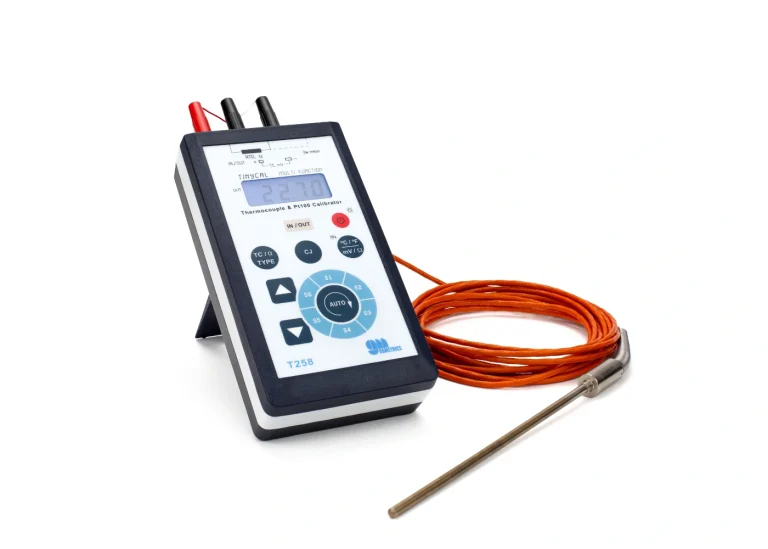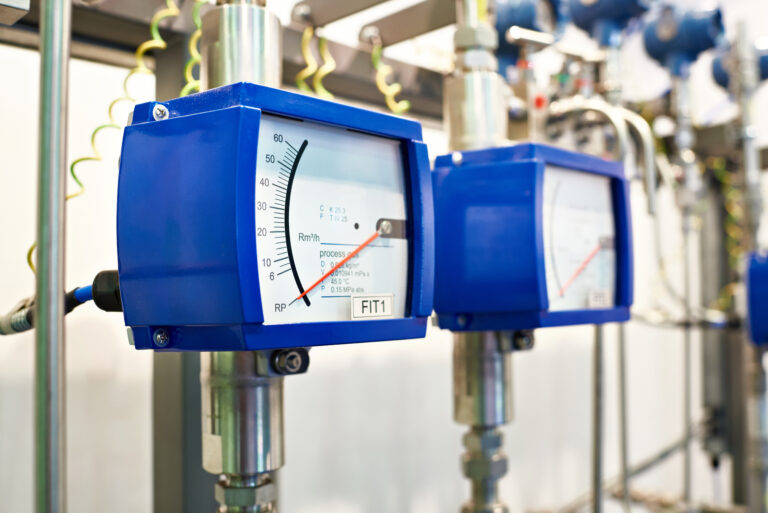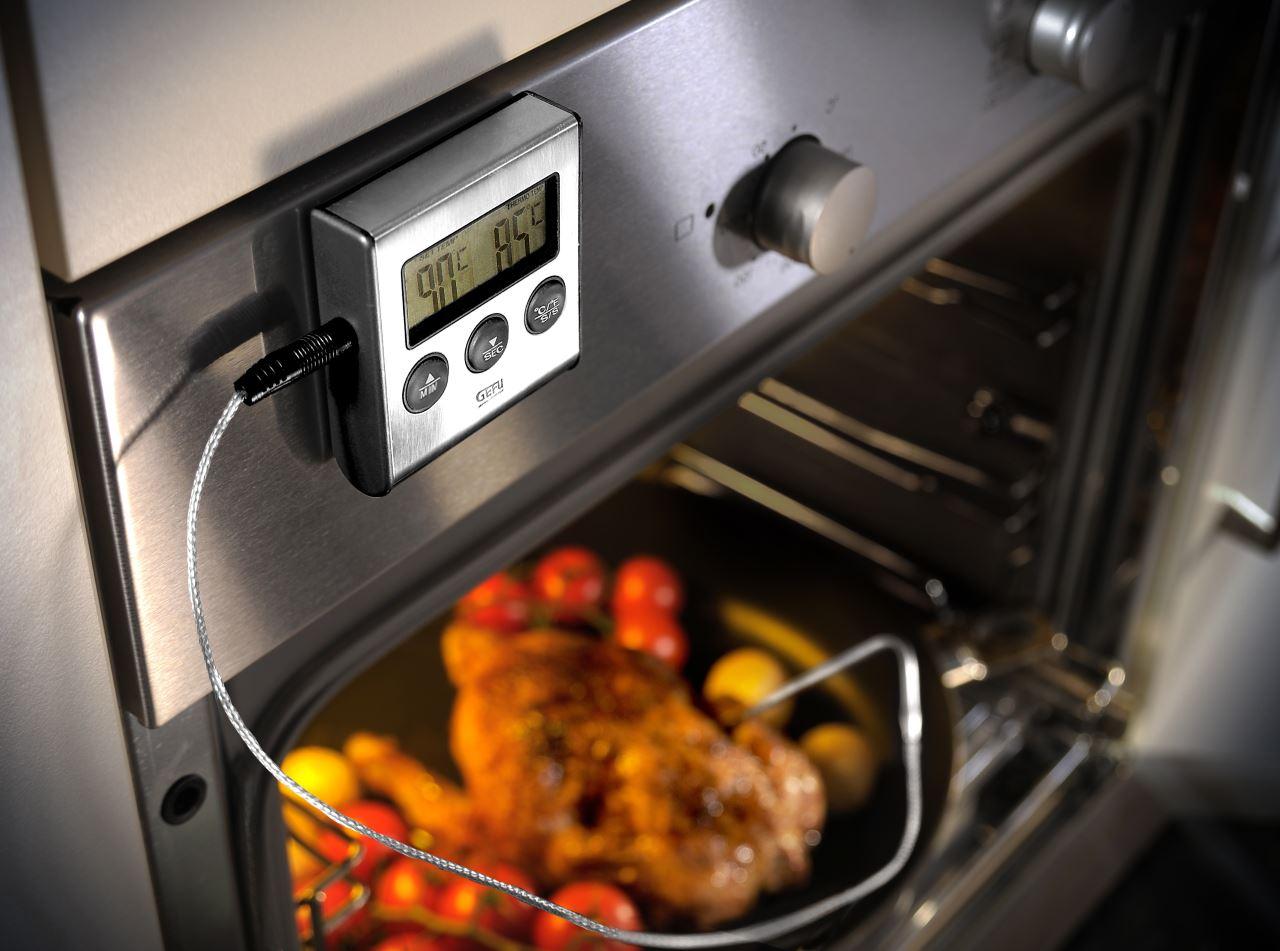
When was the last time you wondered if your thermometer was accurate? We often take it for granted, especially when that thermometer is a critical tool in quality control. Ensuring accurate temperature measurements is crucial in a kitchen, laboratory or manufacturing plant. But how do you know if your thermometer is telling the truth? Thermometer calibration is the unsung hero that keeps our readings accurate and our processes flawless.
Why Accuracy Matters: The Heart of Quality Control
In the world of quality control, precision is everything. Whether it’s ensuring the efficacy of a vaccine, the safety of a food product or the stability of a chemical process, temperature must be accurate. A small error in temperature reading can result in spoiled batches, unsafe products or even catastrophic failures. For this reason, thermometer calibration is more than a good thing: it is a necessity.
Imagine you are baking a cake and your oven thermometer is off by 10 degrees. Your cake could be undercooked, overcooked or just plain inedible. Now multiply that error by a thousand in an industrial environment. The stakes are high, which is why accuracy through thermometer calibration is critical to quality control.
What exactly is thermometer calibration?
Calibration is not just about checking whether the thermometer is working. It is about ensuring that it works correctly and consistently. Professional thermometer calibration services involve comparing the readings of a thermometer with a standard known to be accurate. If discrepancies are detected, adjustments are made to correct the thermometer readings.
This is not a one-time process. Thermometers should be calibrated periodically depending on use and environment. A thermometer in frequent use or exposed to harsh conditions may need calibration more often than one in occasional use in a controlled environment.
The domino effect: how inaccurate thermometers affect quality
Let’s talk about the domino effect. One inaccurate reading can create a chain reaction of errors that affect the entire production process. For example, if a thermometer in a food processing plant is off by a few degrees, it can mean the difference between safe consumption and a product recall. The financial and reputational damage from such errors can be enormous.
Similarly, an incorrect temperature reading during the production or storage of pharmaceutical products can render a life-saving drug ineffective. Therefore, thermometer calibration is not only about avoiding errors, but also about ensuring the confidence and safety of all products reaching the consumer.
Calibration as part of your routine: Best practices
So how can you ensure that thermometer calibration becomes a regular part of your quality control process?
1. Establish a calibration schedule
Just as your car needs regular maintenance, so does your thermometer. Create a schedule that suits your thermometer’s use and environment. Regular calibration ensures that your readings remain accurate over time.
2. Document everything
Keep a record of all calibrations performed. This helps track the accuracy of your thermometers over time and serves as proof of your commitment to quality control, especially during audits.
3. Train your team
Make sure everyone on your team understands the importance of calibrating thermometers and knows how to do it correctly. A well-trained team is your first line of defense against errors.
4. Invest in quality calibration tools
Using high quality calibration tools is as important as the calibration process itself. Invest in reliable equipment that can provide accurate standards for comparison.
Conclusion
Thermometer calibration may seem like a small detail in the grand scheme of quality control, but it underpins the entire process. Accurate temperature readings ensure that products are safe, effective and reliable. It’s a simple step with far-reaching implications, making it a critical component of any quality control strategy.
So the next time you check a thermometer reading, remember that Plc Programming is the silent watchdog that makes sure everything is as it should be. After all, in quality control, it’s the little things that make the difference.